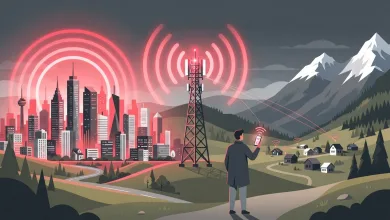
A text message says your mobile wallet will be blocked in an hour unless you click a link. An email claims to come from the police and threatens arrest. A caller says he is from a government regulator and needs a code that was just sent to your phone. These are not rare events. Pakistan’s telecom regulator has warned about them repeatedly this year, and a mountain district like Chitral, where many people have only recently gone online, is not exempt.
What the regulator has been warning about
The Pakistan Telecommunication Authority (PTA) has issued several public warnings in 2026. In April, it said phishing scams were rising sharply, with fraudsters using fake emails, text messages and websites to obtain passwords, one-time passwords (OTPs) and banking details. It added that attackers pose as trusted organisations and create urgency so that victims act before checking. In August, the PTA warned that a surge in phishing was putting people at greater risk of identity theft and financial loss, and pointed to its WhatsApp digital assistant on 03150055055 for further information.


In October, during Cybersecurity Awareness Week 2026, the PTA again cautioned users about fraudulent calls, messages and links. It advised people to keep their devices and apps updated and to limit the personal information they post online, since publicly available details can be used by scammers.
The pressure tricks to watch for
Phishing works by making you hurry. Pakistan’s national cyber emergency response team, PKCERT, described a campaign of fraudulent emails impersonating police and accusing recipients of cybercrime offences, which relied on urgency and threats of arrest or exposure. Its advisory said the emails cited investigations and laws that do not exist in Pakistan. That advisory was reported by Dawn in an earlier period, but the tactic is the same one the PTA describes today.
- Fake authority. The message claims to come from a bank, a mobile company, a regulator or the police.
- Urgency and threats. Your account will be closed, or you will be arrested, unless you act now.
- A request for secrets. It asks for a password, an OTP or card details, which no genuine bank or regulator needs from you in this way.
- A link you did not expect. It leads to a page that looks real but is not.
What to do if you are targeted
Do not reply, click or share any code. Contact the organisation through a number you already know, not the one in the message. Earlier PTA advisories, reported by Geo News and Daily Times, listed these reporting routes: the PTA helpline 0800-55055 to block scam numbers, the Federal Investigation Agency at 1991 for investigation, and the State Bank of Pakistan at (021) 111-723-273 for financial fraud. Those numbers come from 2025 reporting, so check the PTA’s official channels before relying on them.
Why this matters for Chitral
None of the sources I reviewed gives figures for Chitral specifically, so this article does not claim the district is more or less affected than elsewhere. Our own view is that people who are new to mobile banking, wallets and online shopping, and who may depend on a family member for help, are easy targets, and that a patient explanation at home or in a school is a strong defence. Students, teachers and shopkeepers could do a lot by sharing the simple rules above with parents and grandparents.
Five habits that help
- Never share an OTP or password with anyone, including someone who says they are from your bank.
- Update your phone and apps when prompted.
- Share less personal detail on social media.
- Pause before you click, and check the sender through a separate, trusted channel.
- Report scam numbers and messages so that others are protected.
Sources
- ProPakistani: PTA warns against hackers stealing money and passwords with fake profiles
- ProPakistani: Your money and data are at risk as phishing attacks rise
- Digital Pakistan: PTA warns Pakistanis against online scams
- Dawn: Citizens warned against phishing scams
- Geo News: PTA issues warning against surging phishing scams
- Daily Times: Beware! Scammers posing as PTA to steal your personal information


Muhammad Nayab Khan is a seasoned Freelance Journalist, Media Professional, and Enterprise Development expert based in Chitral, Khyber Pakhtunkhwa, Pakistan. Holding an MBA in Finance from Punjab University, he brings a unique economic and digital perspective to media storytelling, corporate branding, and regional development. He maintains active professional affiliations with Qashqar TV (First PEMRA Licensed WebTV in Chitral) and Chitral Express (Chitral’s Largest News Network), where he contributes high-impact digital content, editorial visuals, and comprehensive coverage of regional socio-economic issues. As a multi-faceted entrepreneur and media creator, Nayab combines sharp investigative insight with advanced visual communication to highlight local narratives on regional and national platforms.